How to visit the Taj Mahal from Delhi in one day?
How to Visit the Taj Mahal from Delhi in One Day: Complete Travel Guide
Planning a memorable trip to Agra without spending the night there? A day trip from Delhi to the Taj Mahal is one of the easiest ways to experience India's most famous monument, even if you have limited time. With convenient train connections, modern highways, private taxis, and guided tours, you can explore the Taj Mahal, discover the history of Agra Fort, enjoy authentic Mughlai cuisine, and return to Delhi on the same day. The secret is to start early, choose the right transportation, and organize your itinerary before leaving.
Whether you are visiting India for the first time, traveling with family, or planning a romantic getaway, this guide explains everything you need to know. From transportation options and ticket booking to sightseeing schedules, food recommendations, and travel budgets, here is how to make the most of your one-day adventure.
Why Choose a One-Day Taj Mahal Trip from Delhi?
Delhi is an excellent starting point for exploring the Taj Mahal because Agra is relatively easy to reach by road or train. The two cities are approximately 230 kilometers apart by road, although the exact distance and travel time depend on your starting point in Delhi and the route you choose. The Yamuna Expressway provides a convenient road connection, while express trains offer a comfortable alternative for travelers who want to avoid driving.
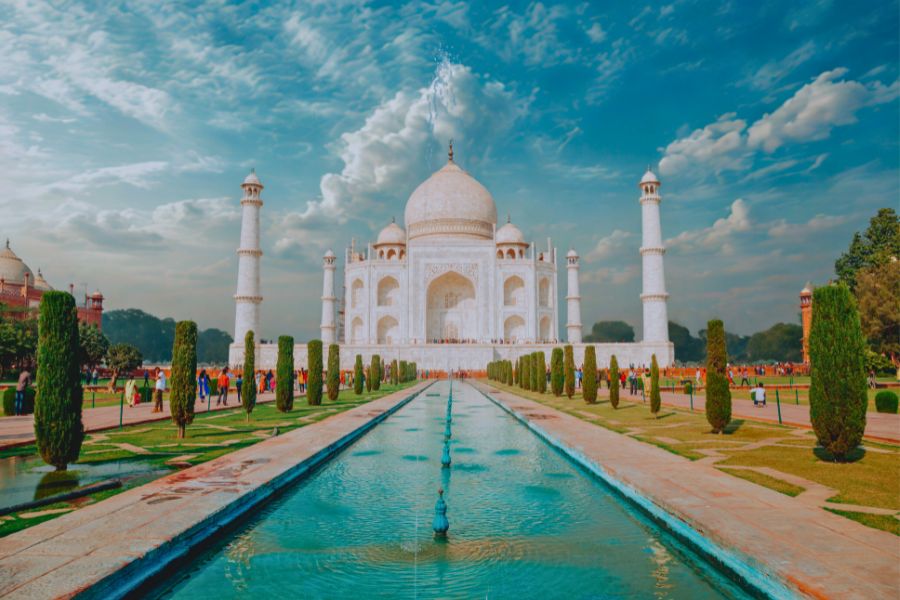
A well-planned trip to the Taj Mahal from Delhi allows you to experience one of India's greatest architectural treasures without rearranging your entire holiday. The Taj Mahal was commissioned by Mughal emperor Shah Jahan in memory of his wife Mumtaz Mahal and completed over several decades during the seventeenth century. Today, it is recognized as a UNESCO World Heritage Site and admired for its white marble architecture, intricate stone inlay, symmetrical gardens, and extraordinary craftsmanship.
The biggest advantage of a day trip is flexibility. You can travel independently, book a private driver, or join an organized tour that combines transportation, sightseeing, and a guide. If you leave Delhi early in the morning, you can generally spend several hours exploring Agra before returning in the evening. However, remember that traffic, security checks, seasonal weather, and visitor queues can affect your schedule. Planning realistic travel times makes the experience far more enjoyable.
Best Ways to Travel from Delhi to Agra
Choosing transportation is one of the most important decisions when planning your trip. Your ideal option depends on your budget, preferred departure time, comfort requirements, and whether you want to explore Agra independently or with a guide.
1. Travel by Train
Traveling by train is a popular option for visitors who want to reach Agra quickly and avoid highway traffic. Several trains connect Delhi with Agra, including premium services such as the Gatimaan Express and the Vande Bharat Express, depending on the current timetable and route. Journey times vary, but some express services can cover the distance in approximately 1 hour and 40 minutes to two hours.
For a smooth experience, book a suitable morning departure and an evening return train in advance. Check the current timetable, operating days, departure station, arrival station, and seat availability before confirming your plans. Delhi-area departure stations and Agra's arrival stations can differ depending on the service, so confirm the exact details on your ticket.
Once you arrive at Agra Cantt or your designated station, you can hire a prepaid taxi, use a reputable local transport service, or arrange a driver to visit the main attractions. A private vehicle is particularly convenient if you intend to visit both the Taj Mahal and Agra Fort.
Train travel works especially well for couples, solo travelers, and anyone who prefers a predictable journey. However, allow enough time to reach the station, pass security checks, and travel between the railway station and the monuments. A train ticket alone does not include local transportation or monument admission.
2. Travel by Private Car or Taxi
A private car is an excellent choice if comfort, convenience, and flexibility are your priorities. The drive from Delhi to Agra usually takes around three to four hours under favorable conditions, although traffic, weather, roadworks, and your pickup location can increase the journey time.
The main advantage is that you control your schedule. You can leave early, stop for refreshments, spend extra time photographing the Taj Mahal, and visit additional attractions without depending on train departure times. A private driver can also collect you directly from your hotel, airport, or residence in Delhi.
Before booking, confirm whether the quoted fare includes tolls, parking, driver allowances, waiting time, and return transportation. Ask whether the vehicle is air-conditioned and suitable for your group size. If you are traveling with children or older family members, the convenience of door-to-door transportation can make a significant difference.
Remember that private vehicles generally cannot drive directly to the Taj Mahal's main entrance. Visitors may need to walk or use permitted local transport from designated drop-off points because vehicle access around the monument is restricted. Build this additional transfer time into your itinerary.
3. Book a Guided Tour or Organized Day Trip
An organized tour can simplify the entire experience, especially if you are visiting India for the first time. Many tour operators offer day trips that combine transportation from Delhi, sightseeing in Agra, and the services of a local guide. Some packages also include breakfast, lunch, monument tickets, or visits to Agra Fort.
The key is to read the package details carefully. A low advertised price may exclude entry tickets, meals, taxes, or transportation to certain attractions. Confirm the pickup location, return arrangements, group size, cancellation policy, and whether the guide is licensed or professionally qualified.
A knowledgeable guide can explain the stories behind the Taj Mahal's construction, the symbolism of its architecture, and the history of the Mughal dynasty. Instead of simply looking at a beautiful building, you gain a deeper understanding of the people, traditions, and craftsmanship that created it.
For independent travelers, a private guided tour offers a useful balance between convenience and flexibility. Group tours can be more economical, while private tours usually provide greater control over the pace of sightseeing.
Best Time to Visit the Taj Mahal
The best time to visit the Taj Mahal depends on the weather, your photography preferences, and how comfortable you are with crowds. Generally, the cooler months from October through March are popular with tourists because sightseeing is more pleasant than during the intense summer heat. December and January can bring fog to northern India, which may affect visibility and transportation schedules.
Summer, particularly from April through June, can be extremely hot in Agra. If you visit during these months, an early-morning arrival is essential. Carry drinking water for the journey, wear comfortable clothing, and plan indoor breaks during the hottest part of the day. Monsoon conditions from July through September can bring humidity and rain, so check the forecast before traveling.
Sunrise is a particularly appealing time to see the monument. The changing light creates beautiful shades across the white marble, and early visits can sometimes offer a calmer atmosphere than the busiest daytime periods. However, actual crowd levels vary, and fog may obscure the view on some winter mornings.
The Taj Mahal is generally open from sunrise to sunset every day except Friday, when it is closed to ordinary tourist visits for congregational prayers at the mosque. Special nighttime viewing arrangements may be offered on designated dates, subject to official rules and availability, but they should not be assumed to be part of a standard day trip.
Always verify current opening hours, ticket availability, and any temporary restrictions through official tourism or Archaeological Survey of India channels before departure.
A Perfect One-Day Itinerary from Delhi to Agra
The easiest way to enjoy a day trip is to organize your schedule around the Taj Mahal first, followed by Agra Fort and lunch. The following itinerary is a practical example rather than a fixed timetable. Adjust it according to your train bookings, traffic conditions, season, and preferred pace.
1. Early Morning Departure from Delhi
Begin your journey early, ideally arranging a departure that gets you to Agra in the morning. If traveling by train, reach the station with enough time to locate your platform and board comfortably. If traveling by car, leave before Delhi's traffic becomes particularly heavy.
Pack light, carry your identification, and keep your booking confirmations accessible. Wear comfortable walking shoes because sightseeing involves walking through gardens, courtyards, pathways, and security checkpoints. A hat, sunscreen, and a reusable water bottle can also be helpful, subject to the monument's current entry regulations.
Before leaving, check the weather forecast and the official monument opening schedule. If you have purchased tickets online, verify the entry details and any instructions about designated gates. A few minutes of preparation can save considerable time once you reach Agra.
2. Explore the Taj Mahal in the Morning
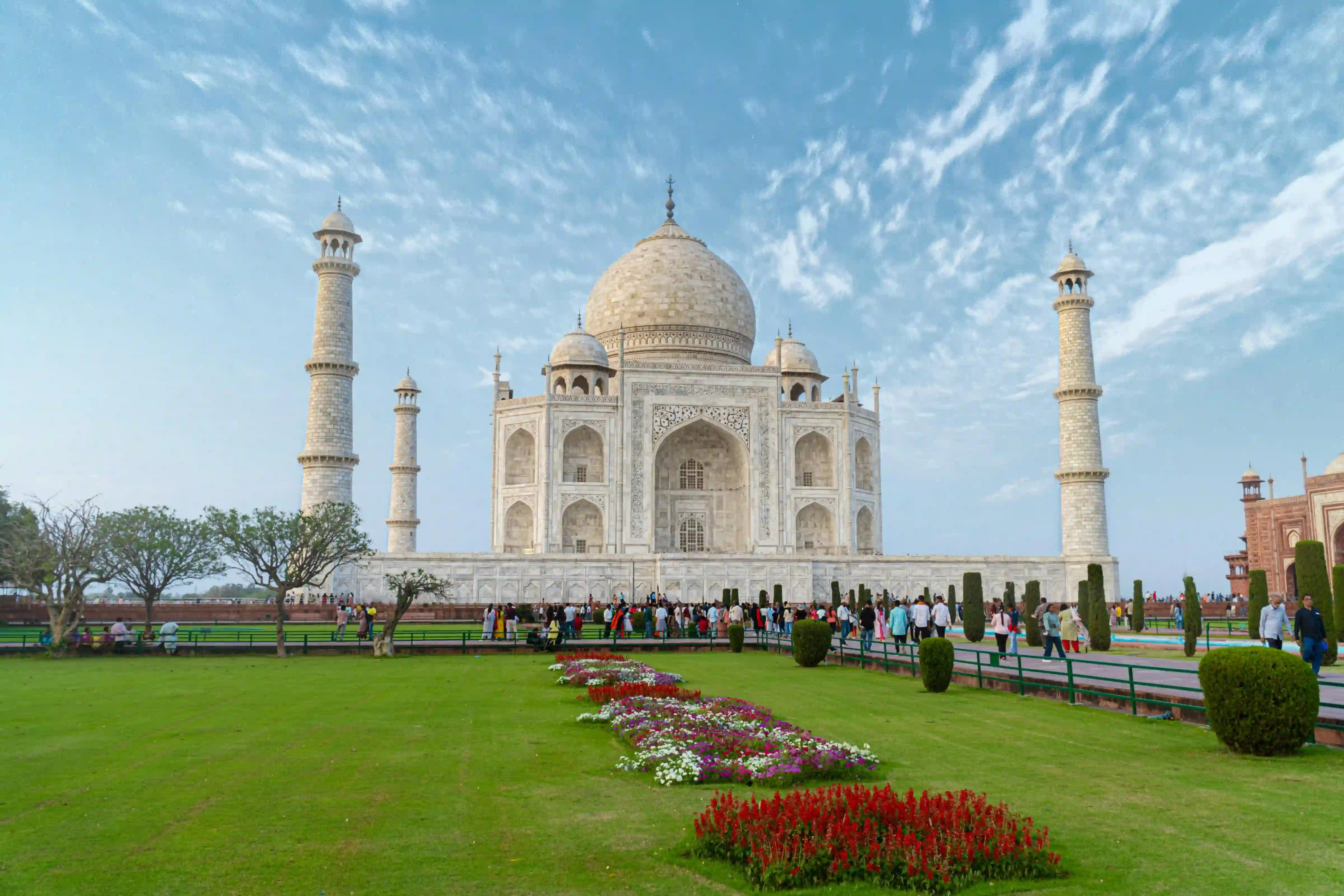
Make the Taj Mahal your first major stop. Its vast white marble dome, four minarets, reflecting pools, and carefully arranged gardens create an unforgettable first impression. The monument looks different depending on the sunlight, so take time to appreciate the architectural details instead of rushing from one photograph to another.
Allow approximately two to three hours for a comfortable visit, although your actual time may vary according to crowds and security queues. Begin by admiring the main entrance and the formal garden layout. As you approach the central mausoleum, look closely at the floral stone inlay, calligraphy, geometric patterns, and marble craftsmanship.
You can take photographs in permitted outdoor areas, but follow the rules regarding photography inside the mausoleum. Visitors are generally required to remove footwear or use permitted shoe coverings when entering certain protected areas, so follow the instructions displayed on-site.
A guide can help explain the monument's history and architectural features, but you can also explore independently. Take occasional breaks, particularly during warmer months, and respect the monument as a protected heritage site.
The most rewarding way to experience the Taj Mahal from Delhi is to allow enough time to enjoy its atmosphere rather than treating the visit as a quick photo stop. Even a short visit becomes more meaningful when you slow down and notice the details.
3. Visit Agra Fort
After exploring the Taj Mahal, head to Agra Fort, another major attraction associated with the Mughal Empire. This impressive red sandstone fortress served as an important imperial residence and military stronghold. Its massive walls enclose palaces, audience halls, courtyards, and architectural spaces that reveal a different side of Mughal history.
Plan to spend approximately one to two hours here, depending on your interest in historical buildings. You can admire the fortress's architectural contrasts, learn about the emperors who lived there, and enjoy views toward the Taj Mahal from permitted viewpoints.
Agra Fort provides a valuable historical complement to the Taj Mahal. While the mausoleum is renowned for its symmetry, white marble, and association with Shah Jahan and Mumtaz Mahal, the fort reflects the political power and administrative life of the Mughal rulers.
Check ticket requirements separately because admission to one monument does not necessarily cover the other. If you are short on time, prioritize the Taj Mahal and select the remaining activities according to your return schedule.
4. Enjoy Lunch and Explore Local Markets
After sightseeing, take a break at a reputable restaurant in Agra. The city is famous for Mughlai cuisine, including aromatic biryani, kebabs, rich curries, and freshly prepared Indian breads. Vegetarian travelers can find plenty of options, too, including North Indian thalis, paneer dishes, dal, and seasonal vegetable preparations.
If you want to experience a local specialty, consider trying petha, a sweet traditionally associated with Agra. It is available in several varieties, including plain, flavored, and dry versions. Purchase sweets and souvenirs from established shops, compare prices, and check packaging if you intend to carry food back to Delhi.
Depending on your schedule, you can also visit a handicraft store or browse a local market. Agra is known for marble inlay work, leather goods, textiles, and decorative souvenirs. If you buy a marble item, ask about its materials and craftsmanship rather than assuming every product is made from the same stone.
Keep this part of the day flexible. Shopping is optional, and it is better to return to Delhi comfortably than to squeeze in too many activities.
5. Return to Delhi in the Evening
Plan your return journey before beginning your afternoon activities. If you are traveling by train, select an evening service that leaves sufficient time for transportation to the station and any unexpected delays. If traveling by car, confirm the pickup point and allow for traffic on the highway.
A sensible itinerary includes a time buffer rather than scheduling every minute. Crowds at the monuments, meal service, local traffic, and security checks can all take longer than expected. Avoid booking a return train so early that you must leave the Taj Mahal in a hurry.
By the time you return to Delhi, you will have experienced two of Agra's most significant historical attractions and sampled some local cuisine without needing an overnight hotel stay.
Taj Mahal Tickets, Entry Rules, and Visitor Tips
Buying tickets in advance can make your visit easier, especially during weekends, public holidays, and busy tourist seasons. Check the official Archaeological Survey of India ticketing information before your journey. Ticket prices can vary by visitor category and monument access, so confirm the applicable charges rather than relying on an old travel blog.
Admission to the main Taj Mahal complex and entry to the central mausoleum may involve separate charges or ticket options under the current ticketing rules. Check precisely what your ticket includes before making a purchase. Keep your ticket accessible and follow the instructions for the entry gate and designated visiting areas.
Security screening is part of the entry process. Large bags, prohibited items, and certain equipment may be restricted, so avoid carrying unnecessary belongings. Rules can change, and security personnel have the final say about whether an item is permitted. Review the latest visitor guidelines before leaving Delhi.
For a smoother visit, remember these practical tips:
- Carry valid identification and your booking confirmation.
- Wear comfortable shoes suitable for walking.
- Arrive early to make the most of the day.
- Follow photography rules and restricted-area signs.
- Respect the monument and avoid touching or damaging protected surfaces.
- Purchase tickets only through official or trusted booking channels.
- Check Friday closures and any temporary access restrictions before traveling.
A little preparation helps you spend less time dealing with logistics and more time enjoying the monument.
Where to Eat During Your Agra Day Trip
Food is an important part of the Agra experience, and you do not need to spend a fortune to enjoy a satisfying meal. The city offers everything from casual vegetarian restaurants and family-friendly eateries to established restaurants serving Mughlai specialties.
For lunch, choose a restaurant with good hygiene standards, clear pricing, and a location that fits your itinerary. If you are visiting during peak season, allowing time for a sit-down meal is sensible because popular places can become busy. Travelers with dietary restrictions should ask about ingredients, spice levels, and preparation methods before ordering.
Traditional Mughlai food often features rich sauces, fragrant spices, grilled meats, and freshly baked breads. If you prefer lighter meals, you can opt for a vegetarian thali, dal with rice, simple curries, or fresh seasonal dishes. Agra's petha is also a popular treat to enjoy after lunch or take home as a gift.
Avoid allowing a long meal to disrupt your return plans. Choose a restaurant close to your next destination or departure point, and leave enough time to reach the station or meet your driver. When your schedule is tight, a convenient, reliable restaurant is often a better choice than traveling across the city for a particular dish.
Estimated Budget for a One-Day Taj Mahal Trip
Your total spending depends on transportation, ticket category, meals, guide services, and whether you choose private or shared travel. The following figures are broad planning estimates in Indian rupees, not verified live prices. Confirm current fares and admission charges before booking.
ExpenseBudget estimate per personRound-trip train travel₹500–₹3,000+Shared or local transportation in Agra₹300–₹800Private car for the day₹4,000–₹8,000+ per vehicleTaj Mahal admissionVaries by visitor category and selected accessAgra Fort admissionVaries by visitor categoryLunch and refreshments₹300–₹1,000Guide servicesVaries by duration and arrangement
These estimates are intended to help you compare options, not to guarantee a current price. Premium train classes, private guides, and specialized tour packages can increase the total substantially. A private car may offer good value for a family or small group because the vehicle cost can be shared among passengers.
If you are traveling alone, a train combined with local transportation may be more economical. Couples might prefer a train and private guide, while families often appreciate the convenience of a private vehicle. When comparing packages, look at the complete cost, including monument admission, taxes, meals, tolls, and return transfers, rather than choosing solely on the advertised starting price.
Common Mistakes to Avoid
One of the biggest mistakes is leaving Delhi too late. Starting late can mean arriving during the busiest hours, spending longer in queues, and having less time for Agra Fort. An early departure gives you more flexibility if something unexpected happens.
Another common problem is overlooking the Taj Mahal's Friday closure. Always check the official opening schedule for your intended date, particularly if your trip falls around a weekend or public holiday. Do not assume that every attraction in Agra follows the same operating hours.
Travelers sometimes underestimate the time needed for station transfers, security checks, and walking between attractions. A train journey may be relatively short, but the complete trip includes getting to the station, reaching the monument, arranging local transport, and returning in time for departure. Build these transitions into your schedule.
Finally, avoid booking unverified tour operators or accepting unclear offers from unofficial guides. Confirm what you are paying for, ask for written details, and use trusted booking channels. Keep some flexibility in your itinerary, protect yourself from the heat, and prioritize the attractions that matter most to you.
Conclusion
Visiting the Taj Mahal in one day from Delhi is entirely achievable with thoughtful planning. Choose a morning train or arrange a reliable private car, arrive early, explore the Taj Mahal at a comfortable pace, and visit Agra Fort if time permits. Enjoy a local meal, leave room for unexpected delays, and arrange your return journey before the end of the afternoon.
The best itinerary is not necessarily the one that includes the most attractions. It is the one that lets you experience India's remarkable architectural heritage without feeling rushed. With the right transportation, advance ticket planning, and a realistic schedule, you can enjoy a rewarding Agra adventure and return to Delhi the same evening.
Frequently Asked Questions
1. Can I visit the Taj Mahal from Delhi in one day?
Yes. You can make a day trip by train, private car, taxi, or organized tour. Leaving early in the morning gives you time to explore the Taj Mahal, visit Agra Fort, enjoy lunch, and return to Delhi in the evening. Your exact schedule will depend on transportation and crowd conditions.
2. How long does it take to reach the Taj Mahal from Delhi?
By road, the journey generally takes around three to four hours each way under favorable conditions. Some express trains can reach Agra in approximately 1 hour and 40 minutes to two hours. Actual travel times depend on your departure point, selected service, traffic, and local transfers.
3. Is one day enough to explore Agra?
One day is enough to see the Taj Mahal and Agra Fort, enjoy a meal, and perhaps do a little shopping. However, you may not have time for every attraction, such as Fatehpur Sikri or additional museums and heritage sites. Prioritize the places that interest you most.
4. What is the best time to visit the Taj Mahal?
October through March is generally popular because temperatures are cooler. Sunrise is an attractive time for photography and can help you avoid some daytime crowds. Winter fog may affect visibility, while summer temperatures can become extremely high. Remember that the Taj Mahal is generally closed to ordinary visitors on Fridays.
5. How much does a one-day Taj Mahal trip from Delhi cost?
The cost varies according to transportation, admission fees, meals, and guide services. Budget travelers may prefer trains and local transport, while families may find a private car more convenient. Check current ticket prices and transport fares before booking because prices and available services can change.