What is the best Taj Mahal tour from Delhi for first-time visitors?
What Is the Best Taj Mahal Tour from Delhi for First-Time Visitors?
Visiting the Taj Mahal is a dream for many travelers exploring India for the first time. Known for its stunning white marble architecture, beautiful gardens, and timeless love story, this world-famous monument offers an unforgettable cultural experience. For travelers staying in Delhi, a trip to Agra is one of the easiest ways to discover India's remarkable Mughal heritage while enjoying a comfortable day of sightseeing.
However, planning your first visit can raise several questions. Should you travel by private car or train? Is a one-day trip enough to explore the Taj Mahal and other attractions? What is the best time to visit, and how can you make the most of your journey without feeling rushed?
The best option for most first-time visitors is a well-organized private car tour with a professional local guide. It offers convenient transportation, flexible sightseeing, and an opportunity to understand the history behind the monuments. Travelers who prefer a relaxed experience can also choose an overnight trip to explore Agra at a slower pace and enjoy the Taj Mahal at sunrise.
In this guide, you will discover the best tour options, suggested itineraries, transportation choices, visiting tips, and important details to help you plan a memorable journey from Delhi to Agra.
Why Should First-Time Visitors Choose a Taj Mahal Tour from Delhi?
Delhi is an excellent starting point for visiting Agra because the two cities are connected by major roads and regular train services. The journey is manageable for travelers with limited time, making it possible to experience one of India's most famous landmarks without changing hotels or reorganizing an entire holiday.
For first-time visitors, a planned trip can also reduce the stress of navigating an unfamiliar destination. Transportation, sightseeing arrangements, and guide services can be organized before departure, allowing you to focus on enjoying the experience. Rather than spending valuable time figuring out local transfers, you can follow a clear schedule and explore the major attractions more comfortably.
Another advantage is that Agra offers several historic landmarks beyond the Taj Mahal. Agra Fort reveals the power and architectural achievements of the Mughal Empire, while Itimad-ud-Daulah showcases delicate marble decoration and intricate craftsmanship. Depending on your available time, you can combine these attractions with a traditional lunch and a visit to a local market.
A carefully planned trip therefore provides more than a photograph of the Taj Mahal. It introduces you to the history, architecture, traditions, and artistic achievements that make Agra an important destination for cultural tourism.
Which Is the Best Tour Option for Visiting the Taj Mahal?
The right tour depends on your budget, travel style, group size, and available time. Some visitors prioritize convenience, while others prefer independent travel or want to experience the monument at sunrise.
1. Private Car Tour from Delhi
A private car tour is generally the most convenient option for first-time visitors. It allows you to travel directly from your hotel or another agreed pickup point in Delhi to Agra without depending on fixed train schedules. You can also arrange a local guide to accompany you during monument visits.
This option is particularly suitable for couples, families, senior travelers, and small groups. You can take breaks when necessary, carry your personal belongings comfortably, and adjust the sightseeing schedule according to your interests. If you enjoy photography or want to spend additional time exploring the architecture, a private itinerary can offer greater flexibility than a shared group excursion.
Before confirming your booking, check whether transportation, tolls, parking, guide services, monument entry tickets, meals, and taxes are included in the quoted price. Clear information about inclusions helps you compare different arrangements and avoid unexpected expenses.
2. Train-Based Sightseeing Tour
Traveling by train is another practical option for reaching Agra. Some itineraries combine railway tickets with station transfers, sightseeing transportation, and guided visits to major attractions.
A train journey may appeal to travelers who enjoy rail travel or prefer not to spend the entire journey on the road. However, the overall experience depends on train availability, departure times, station transfers, and the time remaining for sightseeing.
Check the complete schedule before selecting this option. Confirm how you will travel between the Agra railway station and the monuments, whether a guide will meet you on arrival, and how much time you will have before your return journey. A well-coordinated train itinerary can be convenient, but a private car usually provides more flexibility.
3. Overnight Tour with a Sunrise Visit
If your schedule permits, consider staying one night in Agra. You can leave Delhi the previous day, explore Agra Fort and other attractions, spend the night at a suitable hotel, and visit the Taj Mahal early the following morning.
An overnight itinerary is especially attractive for photography enthusiasts and travelers who prefer a relaxed pace. Sunrise offers beautiful changing light across the white marble, and an early visit can provide a different atmosphere from the busier hours later in the day.
This option also allows more time for meals, rest, and additional sightseeing. Although it involves hotel expenses and a longer overall itinerary, it can provide a richer experience for visitors who do not want to fit everything into a single day.
What Is the Best One-Day Itinerary from Delhi to Agra?
A one-day trip can cover the most important attractions if you start early and plan the schedule carefully. Travel time, security checks, queues, and weather conditions can affect the day, so avoid making the itinerary too crowded.
Early Morning: Depart from Delhi
Begin your journey early in the morning to maximize your time in Agra. The road journey typically takes around three to four hours under favorable conditions, although traffic and your pickup location can increase the duration.
Before leaving, make sure you have your identification, booking confirmations, drinking water, and any necessary personal medication. Comfortable clothing and walking shoes are helpful because you will spend several hours exploring historic complexes.
An early start also gives you more flexibility if unexpected traffic delays occur. Confirm the pickup time and expected route in advance, and avoid scheduling an important appointment immediately after your estimated return to Delhi.
Morning: Explore the Taj Mahal
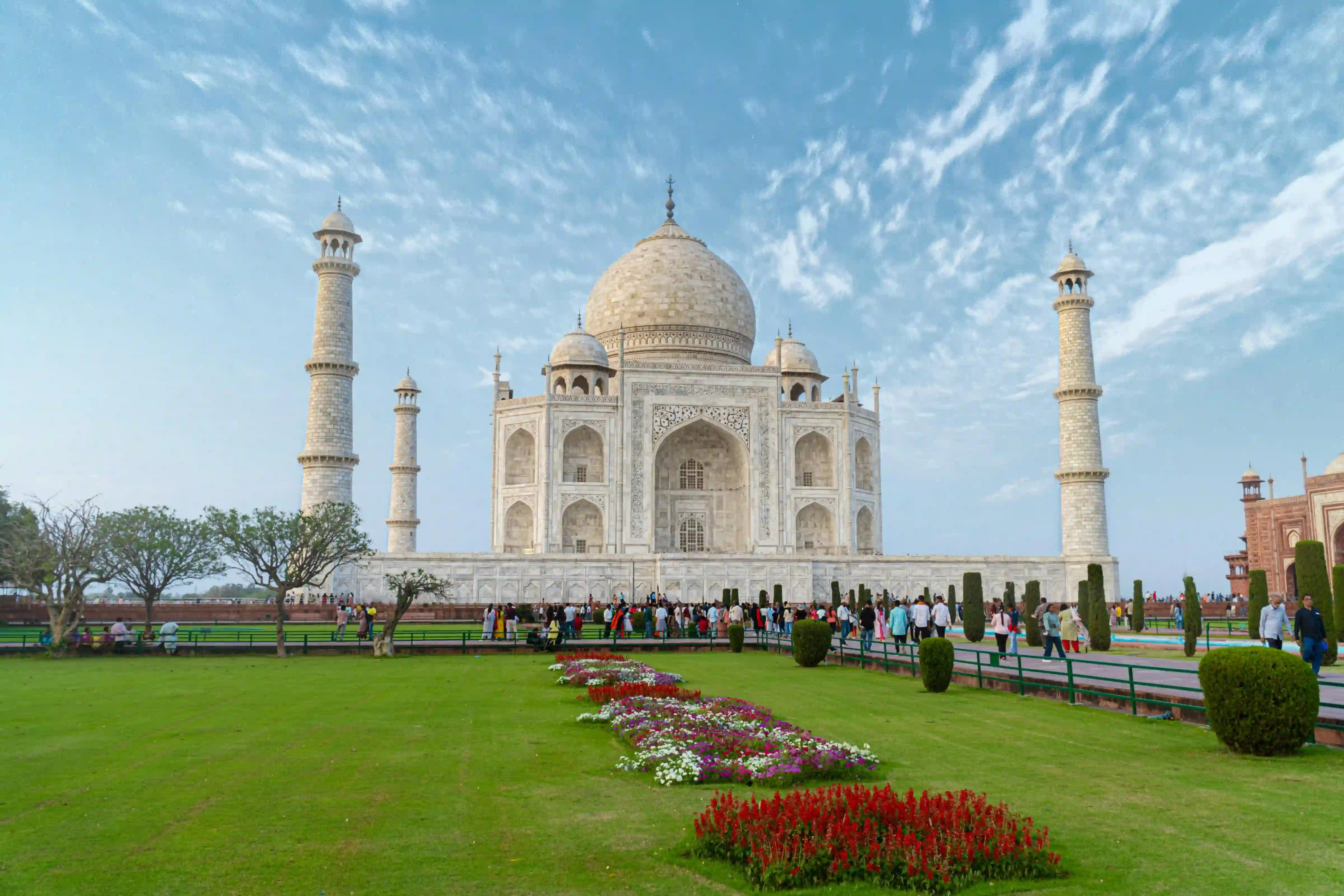
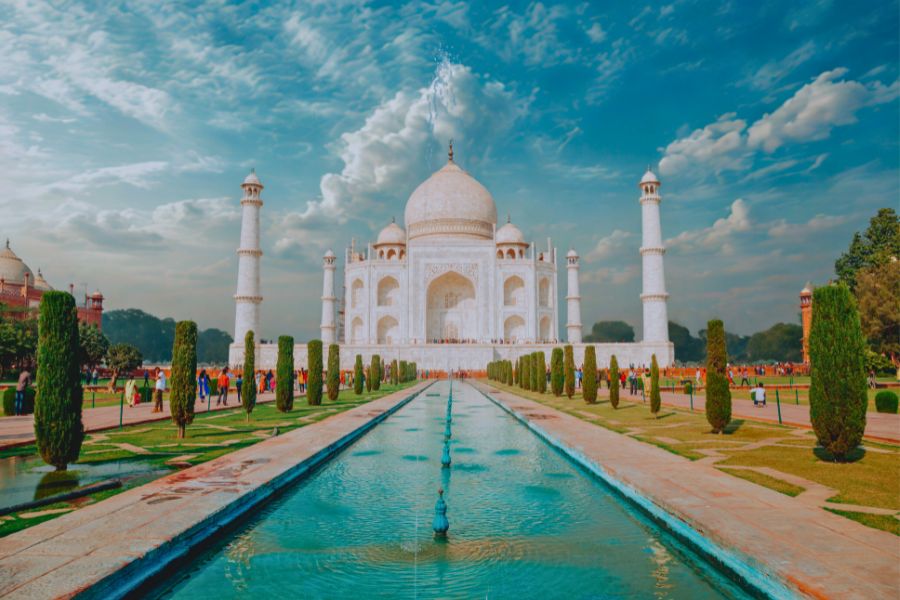
The Taj Mahal should be the main highlight of your itinerary. As you enter the complex, take time to appreciate its symmetrical design, white marble façade, reflecting pools, and carefully maintained gardens.
Built during the reign of Mughal emperor Shah Jahan as a mausoleum for Mumtaz Mahal, the monument is admired for its architectural balance and extraordinary craftsmanship. Its marble surfaces feature intricate floral designs, decorative calligraphy, and inlaid stones that demonstrate the skill of the artisans involved in its construction.
Allow approximately two to three hours for the visit, depending on visitor numbers and your interests. A knowledgeable guide can explain the monument's history, architectural details, and cultural significance, helping you appreciate features that might otherwise go unnoticed.
Remember to check the official visiting arrangements before traveling because the Taj Mahal is closed to general visitors on Fridays.
Late Morning: Visit Agra Fort
After exploring the Taj Mahal, continue to Agra Fort, another UNESCO World Heritage Site. This impressive red sandstone complex served as an important residence and administrative center for Mughal rulers.
Inside the fort, you can discover historic courtyards, audience halls, palaces, and architectural details that reveal the power and sophistication of the Mughal Empire. The complex also offers views toward the Taj Mahal from selected areas.
Plan to spend around one to two hours exploring the fort. The visit complements your experience at the Taj Mahal by introducing another important chapter of Agra's history.
Afternoon: Enjoy Lunch and Optional Sightseeing
After visiting the major monuments, take a break for lunch. Agra offers a range of dining options, from traditional Indian meals to familiar international dishes. Choose a restaurant that matches your budget and dietary preferences, and ask about ingredients or spice levels if necessary.
If your schedule allows, consider visiting Itimad-ud-Daulah, commonly known as the Baby Taj. Its elegant marble construction and detailed inlay work make it an interesting addition to a cultural itinerary.
Another option is Mehtab Bagh, a garden across the Yamuna River that provides a different perspective of the Taj Mahal. It can be particularly appealing to photography enthusiasts, although the best choice depends on available time and the day's conditions.
Evening: Return to Delhi
After completing your sightseeing, begin the return journey to Delhi. The arrival time depends on road conditions, traffic, and when you leave Agra.
A one-day itinerary works best when you prioritize the Taj Mahal and Agra Fort rather than trying to visit every attraction. Leaving some flexibility in the schedule makes the experience more enjoyable and reduces the pressure to rush between monuments.
How Can You Choose the Right Tour Package?
When comparing tour arrangements, look beyond the advertised price. Different packages may include different services, and a lower starting price does not necessarily represent the best overall value.
Tour optionBest suited forMain advantageMain considerationPrivate car tourFamilies, couples, and small groupsFlexible schedule and convenient transfersMay cost more per personTrain-based tourTravelers who prefer rail transportConvenient intercity travel when schedules alignRequires coordinated transfersShared group tourBudget-conscious visitorsShared transportation expensesFixed itinerary and group paceOvernight tourPhotography lovers and relaxed travelersMore time for sightseeing and sunrise visitsRequires hotel accommodation
Before choosing a package, ask whether it includes hotel pickup, air-conditioned transportation, a professional guide, monument entry tickets, meals, and return transfers. Confirm whether tolls, parking fees, taxes, and optional sightseeing stops are included or charged separately.
You should also check the vehicle type, group size, cancellation conditions, and arrangements for unexpected delays. A clear itinerary and transparent pricing are important signs of a well-organized trip.
What Is the Best Time to Visit the Taj Mahal?
The ideal time depends on the weather, your photography preferences, and the amount of time you have available. October through March is generally a popular period for sightseeing because temperatures are often more comfortable than during the hottest months.
Winter mornings can be foggy, which may affect visibility and travel times. From April through June, temperatures in Agra can become very high, so early visits, lightweight clothing, sun protection, and sufficient drinking water become particularly important. During the monsoon season, humidity and rain can influence outdoor sightseeing and photography.
Is Sunrise Better Than an Afternoon Visit?
Sunrise is a favorite choice for many travelers because the soft morning light can create beautiful colors across the marble. Temperatures are often more comfortable, and an early visit may help you avoid some of the crowds that develop later.
An afternoon visit can also be rewarding. Changing sunlight highlights different architectural features, including the arches, domes, and decorative details. If you prefer a more relaxed morning in Delhi, an afternoon visit may suit your schedule, provided you leave enough time for the journey.
Normal visiting hours generally extend from approximately 30 minutes before sunrise until 30 minutes before sunset, subject to official arrangements. Always verify the current schedule before departure, particularly if you are traveling during a holiday or a period of unusual weather.
How Much Should You Budget for the Trip?
The total cost depends on your transportation, group size, guide services, entry tickets, meals, and accommodation. A shared tour may be less expensive per person, while a private car can provide greater flexibility and comfort. An overnight trip involves additional hotel and meal expenses but allows more time for sightseeing.
When comparing prices, calculate the total cost rather than focusing only on the initial quotation. Confirm whether monument tickets, tolls, parking, guide fees, and taxes are included. If you are traveling by train, include the cost of station transfers and transportation between attractions.
Entry fees may differ according to visitor category, and additional charges can apply for access to specific areas of the Taj Mahal. Ticket prices and regulations may change, so check the latest official information before finalizing your budget.
It is also sensible to keep a small amount of extra money for refreshments, souvenirs, and other personal expenses. A realistic budget helps you enjoy the journey without worrying about unexpected costs throughout the day.
Essential Travel Tips for First-Time Visitors
Good preparation can make your trip smoother and more comfortable. Book transportation in advance during busy travel periods, confirm your pickup location the day before departure, and keep your identification and booking information accessible.
Wear comfortable walking shoes because the main monuments involve walking through gardens, courtyards, and historic buildings. Lightweight clothing is useful in hot weather, while a jacket or sweater can be helpful during chilly winter mornings.
Check the entry regulations before visiting. Security procedures apply at the monuments, and certain items may not be permitted inside. Drones are prohibited at the Taj Mahal, and visitors should follow the photography rules and instructions provided by monument authorities.
Carry drinking water for the journey and plan regular breaks, especially when traveling with children or older family members. If you hire a guide, confirm the sightseeing plan beforehand and make sure the guide can explain the history in a language you understand.
Finally, avoid trying to squeeze too many attractions into one day. The Taj Mahal deserves time and attention, and a manageable itinerary will allow you to appreciate its architecture rather than simply rushing through the complex.
Is a Guided Tour Better Than Independent Travel?
Independent travel can suit visitors who enjoy arranging their own transportation, researching historical sites, and exploring without a fixed schedule. It offers freedom to choose restaurants, adjust sightseeing times, and spend longer at particular attractions.
However, independent travel also requires more planning. You must coordinate transportation, purchase tickets, manage transfers, and allow sufficient time for the return journey. First-time visitors who are unfamiliar with the area may find these arrangements demanding.
A guided tour simplifies the process by bringing transportation and sightseeing together. A professional guide can explain the background of the monuments, answer questions, and help you understand the cultural details behind the architecture.
For families, couples, and small groups, a private tour can be particularly convenient. Solo travelers on a limited budget may prefer a shared tour or a train-based itinerary. The best choice is the one that matches your comfort level, available time, and travel budget.
Conclusion
The best Taj Mahal tour from Delhi for first-time visitors is generally a private car trip with a professional local guide. It offers convenient transportation, flexible sightseeing, and enough time to explore the Taj Mahal and Agra Fort without the complications of organizing every detail independently. Travelers who prefer a more relaxed experience can choose an overnight stay and enjoy an early morning visit.
Before traveling, confirm the monument's opening arrangements, compare tour inclusions, and prepare for the weather. Start early, keep your itinerary realistic, and allow time to appreciate the history and craftsmanship of each attraction.
With thoughtful planning, your first visit to Agra can become one of the most memorable experiences of your Indian journey.
Frequently Asked Questions
1. Can I visit the Taj Mahal from Delhi in one day?
Yes. You can travel from Delhi to Agra and return on the same day by private car or train. An early departure gives you time to explore the Taj Mahal and Agra Fort, with an optional additional attraction if your schedule permits.
2. Is a private car the best way to reach the Taj Mahal from Delhi?
A private car is a convenient choice for visitors who value comfort, flexible departure times, and direct transfers between attractions. A train can also be suitable when the schedule and local transfer arrangements fit your plans.
3. How long should I spend at the Taj Mahal?
Plan to spend approximately two to three hours exploring the monument, gardens, and surrounding complex. You may need additional time during busy periods or if you want to take photographs and explore the architecture in detail.
4. Is the Taj Mahal open every day?
No. The Taj Mahal is closed to general visitors on Fridays. On other days, normal visiting hours generally run from around 30 minutes before sunrise until 30 minutes before sunset. Check the latest official arrangements before traveling.
5. Can I visit Agra Fort during the same trip?
Yes. Agra Fort is one of the most popular attractions to combine with the Taj Mahal. A well-planned day trip can include both monuments, lunch, and an optional additional attraction, depending on your travel schedule.